


Artistic Skating Basics: Beginner Tips for Artistic Roller Skating
Artistic roller skating is a beautiful blend of grace, athleticism, and creativity on wheels. Whether you're a parent looking to introduce your child to a fun new sport or an adult eager to try something fresh and exciting, artistic roller skating offers a fantastic way to stay active and express yourself. I remember my first time lacing up skates and feeling a mix of excitement and nervousness. Over time, I learned some valuable tips that made the journey smoother and more enjoyable. In this post, I’ll share those beginner tips to help you get started confidently and have fun along the way.
Understanding Artistic Skating Basics
Before diving into the moves and routines, it’s important to grasp the fundamentals of artistic roller skating. This discipline combines elements of dance, gymnastics, and figure skating, all performed on roller skates. The key components include balance, posture, rhythm, and control.
Balance: Maintaining your center of gravity over your skates is crucial. Good balance helps you glide smoothly and perform spins or jumps.
Posture: Keep your back straight, shoulders relaxed, and knees slightly bent. This stance not only looks elegant but also prevents injuries.
Rhythm: Artistic skating often involves skating to music. Developing a sense of timing will help you synchronize your movements with the beat.
Control: Learning to start, stop, and change direction gracefully is essential for executing routines.
Starting with these basics will build a strong foundation for more advanced skills. Remember, patience is key - progress comes with practice.
Essential Gear for Artistic Roller Skating
Having the right equipment makes a huge difference in your skating experience. Here’s what you’ll need to get started:
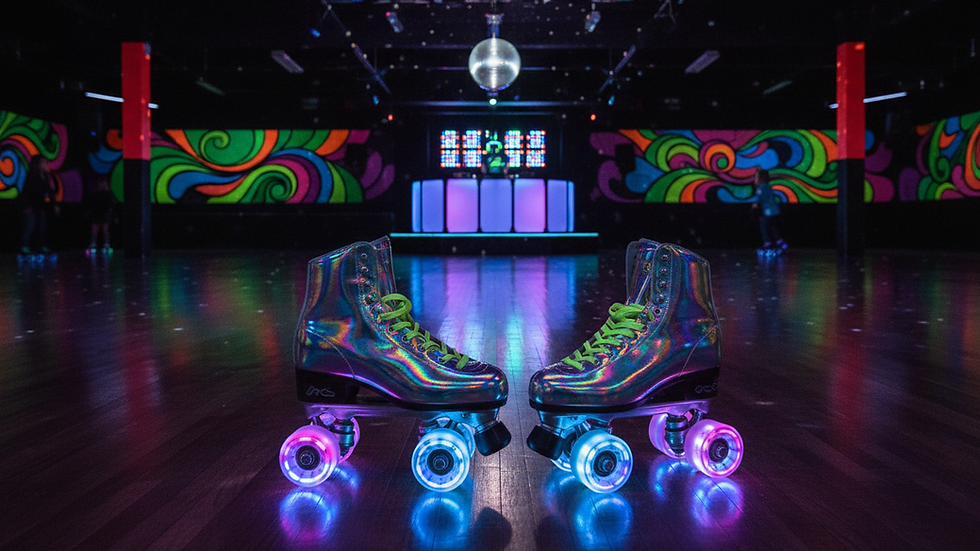
Artistic Roller Skates: These skates have a toe stop and a boot designed for ankle support and flexibility. Make sure they fit snugly but comfortably.
Protective Gear: Safety first! Wear a helmet, wrist guards, knee pads, and elbow pads to protect yourself from falls.
Comfortable Clothing: Choose stretchy, breathable clothes that allow freedom of movement. Avoid anything too loose that might get caught in the wheels.
Skate Bag: A good bag helps you carry your skates and gear easily to the rink or practice area.
Investing in quality gear not only improves performance but also keeps you safe and comfortable.
How to Start Artistic Roller Skating?
Starting artistic roller skating can feel overwhelming, but breaking it down into manageable steps makes it easier. Here’s a simple plan to get you rolling:
Find a Suitable Practice Area: Look for smooth, flat surfaces like indoor rinks or well-maintained outdoor courts.
Learn Basic Movements: Begin with simple gliding, stopping, and turning. Practice balancing on one foot and marching in place on skates.
Take a Class or Watch Tutorials: Joining a beginner class or following online videos can provide structure and guidance.
Practice Regularly: Consistency is key. Even 15-20 minutes a day can lead to noticeable improvement.
Set Small Goals: Celebrate milestones like skating a full lap without stopping or mastering a basic spin.
Starting with these steps will build your confidence and skills gradually.

Tips to Improve Your Artistic Roller Skating Skills
Once you’re comfortable with the basics, it’s time to refine your technique and add flair to your skating. Here are some tips that helped me improve:
Focus on Posture: Always check your form in a mirror or record yourself. Good posture enhances your balance and appearance.
Work on Flexibility: Stretch regularly to increase your range of motion, which is vital for spins and jumps.
Practice Edges: Learn to skate on the inside and outside edges of your wheels. This skill adds control and style.
Incorporate Dance Moves: Artistic skating is expressive. Try adding arm movements and body rolls to your routine.
Stay Patient and Positive: Progress can be slow, but every small improvement counts. Keep a positive mindset and enjoy the process.
By focusing on these areas, you’ll develop a more polished and graceful skating style.
Joining the Artistic Skating Community
One of the best parts of artistic roller skating is the community. Connecting with others who share your passion can motivate you and make skating more enjoyable.
Join Local Clubs or Groups: Many areas have skating clubs that offer classes, practice sessions, and events.
Attend Competitions and Shows: Watching experienced skaters perform can inspire you and give you ideas for your own routines.
Share Your Progress: Posting videos or photos on social media can help you connect with fellow skaters and receive encouragement.
Find a Mentor or Coach: Personalized feedback from an experienced skater can accelerate your learning.
Being part of a community creates a supportive environment where you can grow and have fun.
Keeping Your Skates in Top Shape
Taking care of your skates ensures they perform well and last longer. Here are some maintenance tips:
Clean Wheels and Bearings: Dirt and debris can slow you down. Wipe wheels regularly and clean bearings as needed.
Check for Wear and Tear: Inspect your skates for cracks, loose screws, or worn-out parts.
Store Properly: Keep your skates in a cool, dry place to prevent damage.
Replace Toe Stops and Wheels When Needed: These parts wear out over time and affect your skating quality.
Regular maintenance keeps your skates safe and ready for action.
Ready to Roll?
Artistic roller skating is a rewarding and enjoyable activity that anyone can learn with the right approach. By understanding the basics, investing in proper gear, practicing consistently, and connecting with others, you’ll be well on your way to mastering this beautiful sport. If you’re looking for more detailed guidance, check out this helpful resource on artistic roller skating for beginners.
So grab your skates, hit the rink, and let your creativity shine on wheels!


Comments